A tailor can fix anything that involves fabric you already have: hems, tapers, sleeves, waists, linings, zips. A tailor cannot fix anything that requires fabric you don't have — most famously, letting out a garment that was cut with no seam allowance to spare. The whole craft sits on that one rule, memorably summarized by every alterations counter on earth: taking in is easy, letting out is a miracle. The U.S. Bureau of Labor Statistics still tracks 'tailors, dressmakers, and custom sewers' as an occupation, and the good ones perform rescues that look like magic from the outside — but the magic has a parts list. Here's the map.
What alterations are easy and cheap?
The greatest hits: hemming trousers and skirts, shortening sleeves, taking in side seams a size or so, tapering shirt bodies and jean legs, moving or reinforcing buttons, replacing zips, adding belt loops, and fixing lining tears. These are the bread and butter of the trade, usually quick turnaround and priced far below the value of the garment — a trouser hem that costs $25 can rescue a $200 pair you'd otherwise abandon. If a piece fits everywhere except one obvious length or one loose zone, buy it and book the tailor. This is also the highest-return move in the entire wardrobe: tailoring is what makes 'off the rack' look 'made for you' at a fraction of bespoke pricing.
What alterations are possible but expensive?
Structural work: reconstructing shoulders on a jacket, resizing a suit more than two sizes, restyling a dress silhouette, shortening a lined coat (which means disassembling the lining and vent first), and any job on garments with pattern-matching — plaids and stripes that must realign across a new seam. Shoulders are the classic expensive one, because the shoulder seam is the garment's load-bearing wall: everything hangs from it, and touching it means near-total disassembly. Skilled hands can do it. The quote will often exceed $100, and on a cheap jacket the honest advice from any good tailor will be 'buy a different jacket.'
What can a tailor not fix?
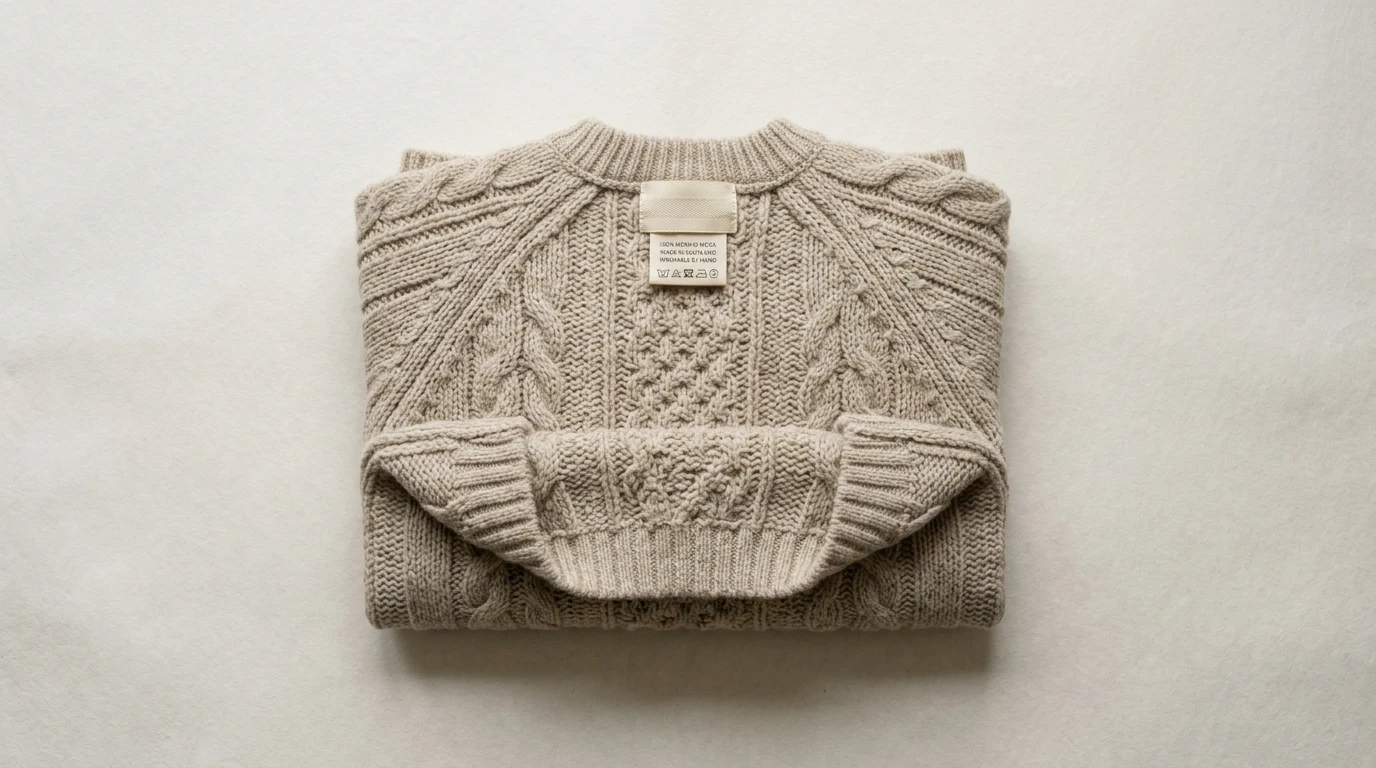
First: letting out. Most garments are cut with roughly a quarter-inch to half-inch of seam allowance, which is design insurance against splitting — not spare fabric for growth. If there's no allowance, there is nothing to let out, and a tailor can only add fabric in panels, which changes the garment into a different garment. Second: anything past the fabric itself. Shining, thinning, moth-holed or sun-rotted fabric cannot be un-worn; a reweaving specialist can patch small holes invisibly at real cost, but a garment that's thin everywhere is finished. Third: stretched-out necklines, distorted knits, and shrunken wool beyond a cautious partial re-block — elasticity doesn't come back from the dead.
The shoulder rule, repeated because it saves money: never buy a jacket with wrong shoulders planning to fix it. Almost nothing else on the body is negotiable; shoulders barely are.
How much should alterations cost?
Rough ladder, varying by city and garment: hems $15–$40, simple tapers $20–$50, sleeve shortening $30–$70, zip replacement $20–$60, jacket shoulder reconstruction $80–$200 or a polite refusal. A fair rule of thumb: if the alteration quote exceeds a third of what you paid for the garment — or half, for something you love — the math gets murky unless the piece is irreplaceable. Tailors charge for time and risk, not for how much you want it to work.
How do you find a good tailor?
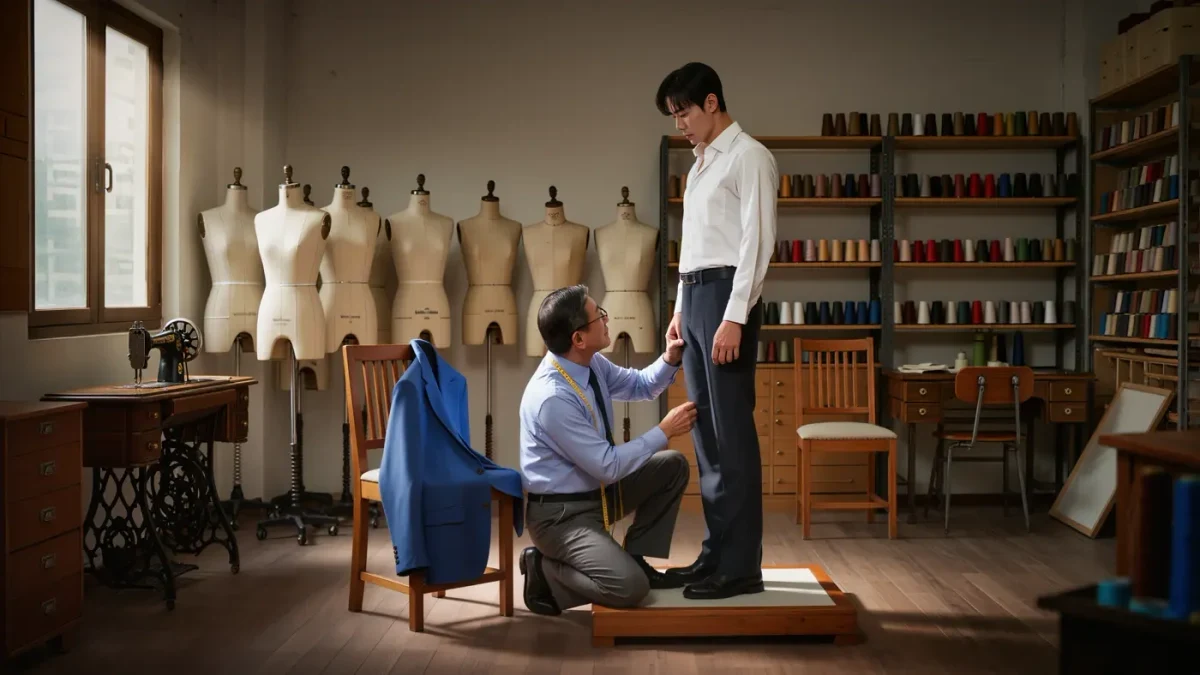
Same way you find a good barber: local reputation and a test job. Start with a hem or a taper, not your most sentimental garment, and check the tells — they should measure you standing naturally, pin rather than eyeball, ask what shoe height you'll wear with trousers, and quote before cutting. A tailor who talks you out of a bad job is a keeper; the counter exists to protect your wardrobe, not to generate work. Dry cleaners with in-house alteration counters are hit and miss; independent tailors with a waitlist are usually worth the wait.
What should you never ask a tailor to do?
Three things. Turn cheap fast fashion into couture — the garment's seams and fabric can't take the handling, and the labor will outprice the piece twice over. Resize denim more than about two sizes — the waistband construction and seam allowances fight back, and distressing complicates everything. And 'just make it look like the photo' with a fundamentally different cut — pattern change is design, not alteration. A good tailor will decline all three; that's not limitations, that's professionalism.
FAQ
Can a tailor make clothes bigger? Rarely. Letting out depends entirely on hidden seam allowance, which most modern garments don't include — expect a centimeter or two at best per seam, if anything. When real expansion is needed, tailors add gussets or panels, which is visible redesign, not a secret fix.
Is tailoring worth it for inexpensive clothes? For a hem, taper, or sleeve on something you wear weekly — absolutely, because fit upgrades beat fabric upgrades at the same price. For structural jobs on low-cost garments, usually not; the labor will cost more than a better-fitting replacement.
How long do alterations take? Simple jobs — hems, tapers, buttons — typically run one to three days at a busy counter, a week at most. Structural work like shoulders, linings, or restyling can take two to three weeks, especially in peak season before spring events and winter holidays.