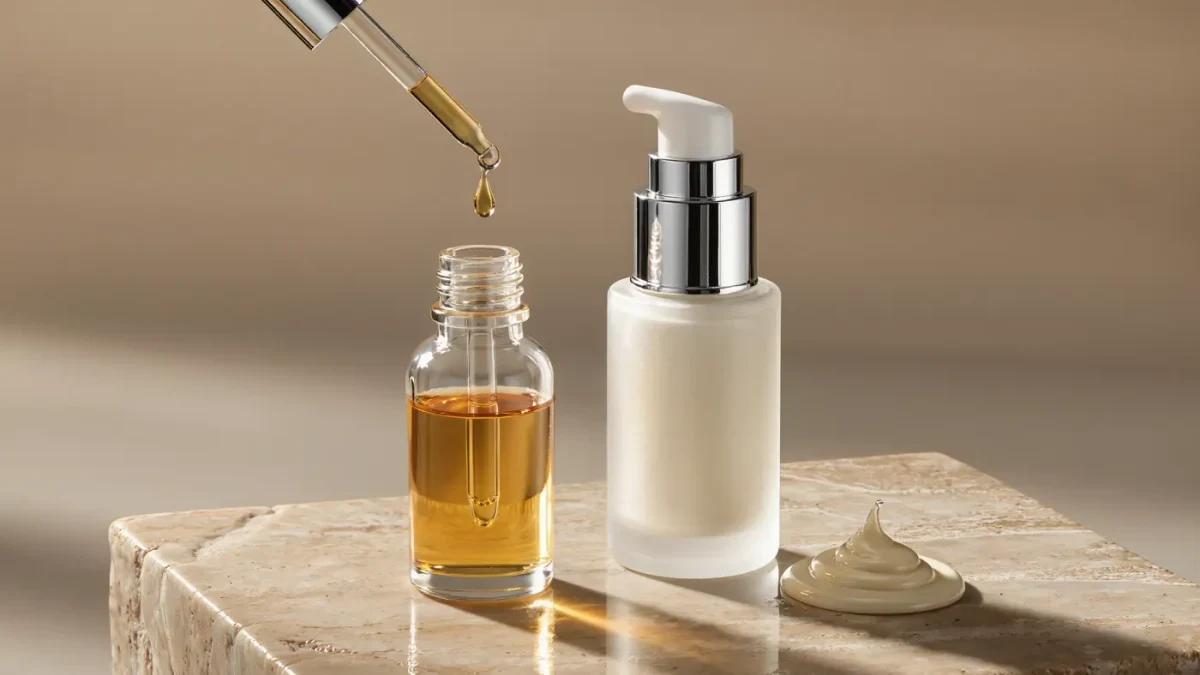
Hair oiling is the practice of massaging oil — coconut, almond, amla, castor — into the scalp and lengths before washing, and it entered the Western mainstream after South Asian creators brought their family ritual to TikTok starting around 2021. It was never a trend, exactly. It was a remembered habit, resurfacing on a platform built for exactly that kind of re-enchantment. The kitchen jar of coconut oil became a shelf of dedicated pre-wash treatments, and the practice got a new name: the cult step.
The interesting part is what stayed constant. The oil is warm. The hands do the work. The ritual still smells like someone's childhood — just one that now has a marketing budget.
What is hair oiling, exactly?
Hair oiling means applying oil to the scalp and hair as a deliberate pre-wash (or occasionally leave-in) treatment, usually with a scalp massage worked in. In its classic form, you section dry hair, work oil from roots toward the ends, let it sit anywhere from 30 minutes to overnight, then shampoo it out. It is a treatment step, not a styling product — the whole point is that it comes out. beauty coverage.
Think of it as a soak, not a coat. The massage is not optional garnish either; in the traditional form, the pressure of the massage — champi — is as much the point as the oil.
Where did hair oiling come from?
The ritual traces back to South Asia, where head massage with oil — champi, a word with Sanskrit roots — has been practiced for centuries and sits within the Ayurvedic tradition as part of regular hair and scalp care. From there it traveled through diaspora kitchens: mothers oiling daughters' hair before school, aunts smuggling coconut oil in checked luggage, Sunday-night massages in front of the television.
For generations, this knowledge passed hand to hand, never written down, rarely explained. The jar came from the grocery store, not the beauty aisle. That is precisely why the TikTok version landed with such force — mainstream beauty culture discovered something that millions of people had never been allowed to forget.
Does hair oiling actually do anything?
The most cited piece of hard evidence is a 2003 study by Rele and Mohile, published in the Journal of Cosmetic Science, which found that coconut oil reduced protein loss in both damaged and undamaged hair when applied before or after washing — an effect the researchers attributed to coconut oil's lauric acid and its ability to penetrate the hair shaft. Mineral oil and sunflower oil, in the same study, did not perform as well.
That is a claim from one study about one oil, not a universal verdict — hair science tends to be narrow like that. What the broader evidence and centuries of practice agree on is less dramatic but still real: oiling conditions the surface, softens the feel of the hair, and the massage itself is genuinely pleasant. Brands have since built entire product lines on pre-wash oils, each citing its own ingredient story — treat those as claims from the brand, not independent fact.
How do you do hair oiling without the mess?
Start small. You need far less oil than the videos suggest — a tablespoon or two, warmed between your palms or briefly in a cup of hot water, never microwaved. Section dry hair and apply oil first to the scalp with your fingertips, using small circular motions, then smooth whatever is left through the mid-lengths and ends.
Give it at least 30 minutes. Overnight works too, with a towel over the pillowcase you have accepted losing. The unglamorous secret is the washout: most people under-shampoo and walk around greasy for two days, then blame the oil. Emulsify the oil with a little water and shampoo before you get in the shower, and it rinses clean on the first try. Once a week is the standard rhythm; fine hair may want less, thick or coily hair often wants more.
Why did hair oiling blow up when it did?
Because the culture was ready for it. By 2021 the internet had begun trading intangible serums for tactile rituals — gua sha, slugging, cold rollers — anything that involved hands, warmth, and a small ceremony. Hair oiling fit the mood perfectly, and it arrived with ready-made authority: creators were not inventing a practice, they were documenting one. The aesthetic of a grandmother's kitchen beat the aesthetic of a laboratory, and the industry followed the views.
There is a tidy irony in the whole arc. A ritual that survived colonization, migration, and the flat-pack sameness of global beauty culture found its second life through a phone camera — and now sells in packaging far more expensive than the jar it came from. The oil, meanwhile, does not care what bottle it is in.
Does oil type matter?
Somewhat, but less than marketing implies. Coconut oil has the best-documented track record for reducing protein loss in hair; heavier oils like castor are traditional favorites for the scalp; lighter oils like argan sit better on fine hair as a finishing touch. If your only option is the cooking coconut oil in the pantry, the ritual still works — the kitchen is where it started.
How often should you oil your hair?
Once a week is the common rhythm, and it is a ceiling, not a quota. Oiling daily builds up faster than most shampoos clear it, which leads to limp hair and a scalp that feels worse, not better. Let your hair vote: if it looks flat for two days after, stretch the interval; if it drinks the oil up and rinses clean, weekly is your lane.
Can you leave oil in your hair overnight?
Yes, with two caveats. Protect the pillow — a towel or an old t-shirt — and do not sleep eight hours in an oil containing essential-oil blends at full strength, since concentrated botanicals are not meant for prolonged skin contact. Plain coconut, almond, or a formulated pre-wash oil overnight is the traditional approach, and it remains the most popular version of the ritual.