Heatless curls — waves and ringlets set overnight with fabric, foam rods, or pin techniques instead of hot tools — took over hair content from roughly 2022 onward, and by 2026 they have done something no TikTok trend usually survives: changed what people buy. The heatless curling rod, popularized by dedicated brands and a wave of sock-curl tutorials, is now a bathroom-shelf fixture, while curling iron sales narratives have quietly shifted toward damage control. The technique is not new — rag curls are centuries old — but the refusal of heat is. Your grandmother set her hair in rags. Your generation did it for the content, then stayed for the hairline.
The trend dressed itself as hair care. It behaved like an economic decision.
What are heatless curls, exactly?
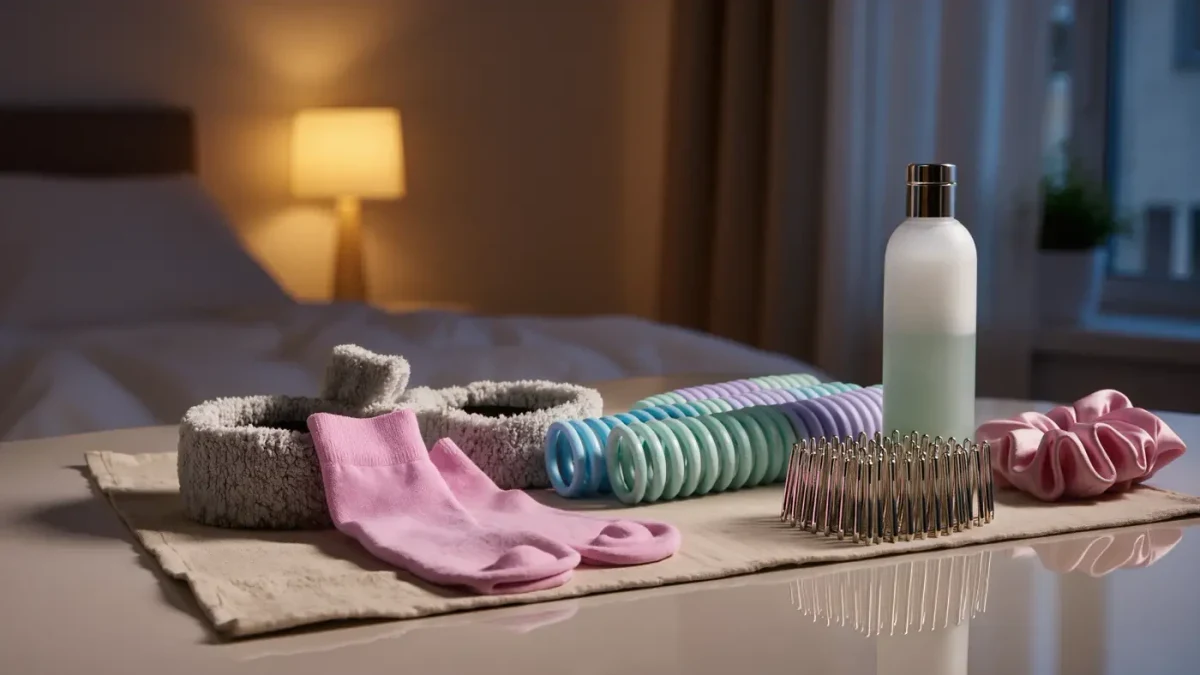
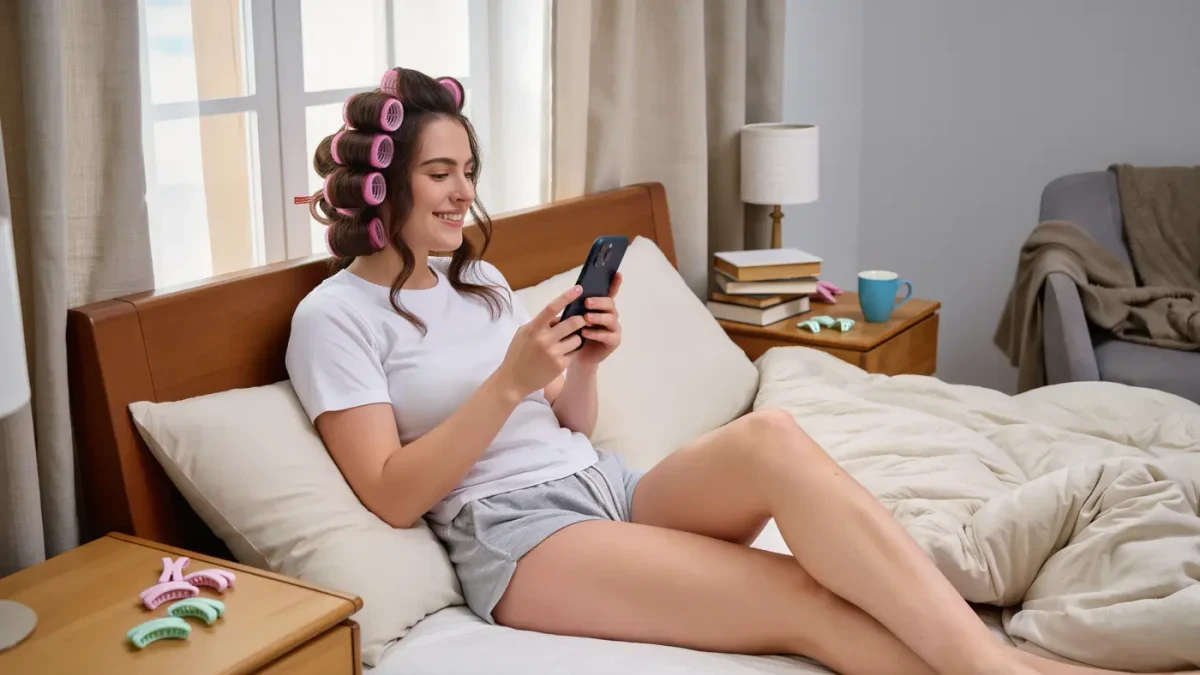
Any method that sets hair into curls without direct heat qualifies: wrapping damp hair around a foam-covered silk rod, braiding it over socks, pin-curling it against the head, or twisting it around a robe belt. Hair is set damp, left overnight or for several hours, and released with the wave pattern locked in by drying rather than by thermal reshaping. The results skew softer and less uniform than iron curls — more editorial, less helmet — which is part of the appeal.
The physics is not mystical. Curls form when hydrogen bonds in hair reset around a shape as it dries; heat simply speeds the process and hardens it. Heatless methods trade speed for patience and get the same chemistry for free.
Why did heatless curls blow up?
The documented platform moment arrived around 2021 and 2022, when heatless-curl tutorials — sock braids, robe-tie wraps, then commercial silk rods — became a repeat format on TikTok, with creators filming the full overnight-to-reveal arc that the platform's algorithm loves. The reveal structure was tailor-made for virality: unglamorous bedtime setup, ordinary person, next-morning transformation. No hot tool has ever had a before-and-after that good, because a curling iron's work is visible only after the fact, never as a narrative.
Underneath the algorithm, though, ran a mood. Years of round-the-clock heat styling had left a generation fluent in the language of heat damage — broken ends, fried texture, the big chop as redemption arc. Refusing heat became both a hair decision and a small moral posture, the beauty equivalent of walking instead of driving.
Are heatless curls actually better for your hair?
The logic is straightforward: removing repeated high-heat exposure removes the primary mechanical cause of thermal breakage, and published research on thermal damage to hair documents how flat irons and curling irons degrade the hair's structure at high temperatures. That is subtraction, not magic — heatless setting does not add protein, moisture, or growth. What it does is stop a specific harm, and for frequent stylers the difference compounds over months.
Honest caveat: overnight tension has its own risks. Wrapping hair too tight, sleeping on rough cotton, or setting hair soaking wet every single night can cause its own breakage and scalp strain. The method is gentler than a 200-degree barrel, not a license for friction.
Which hot tools did we stop buying?
The casualties are specific. The everyday curling wand — the tool whose job was daily waves — has been hit hardest, because heatless methods do its exact job overnight at zero marginal cost. Crimpers and multi-barrel wavers, always novelty purchases, cycle through faster. The flat iron survives, but its role has narrowed from daily habit to occasional tool, which is a quieter revolution: the device people once used every morning is now a guest, not a resident.
What replaced them is cheaper and strange-looking. A silk-covered foam rod costs a fraction of a professional iron. Socks are free. The bathroom shelf did not empty — it got sillier, and the silliness scales.
Do heatless curls work on every hair type?
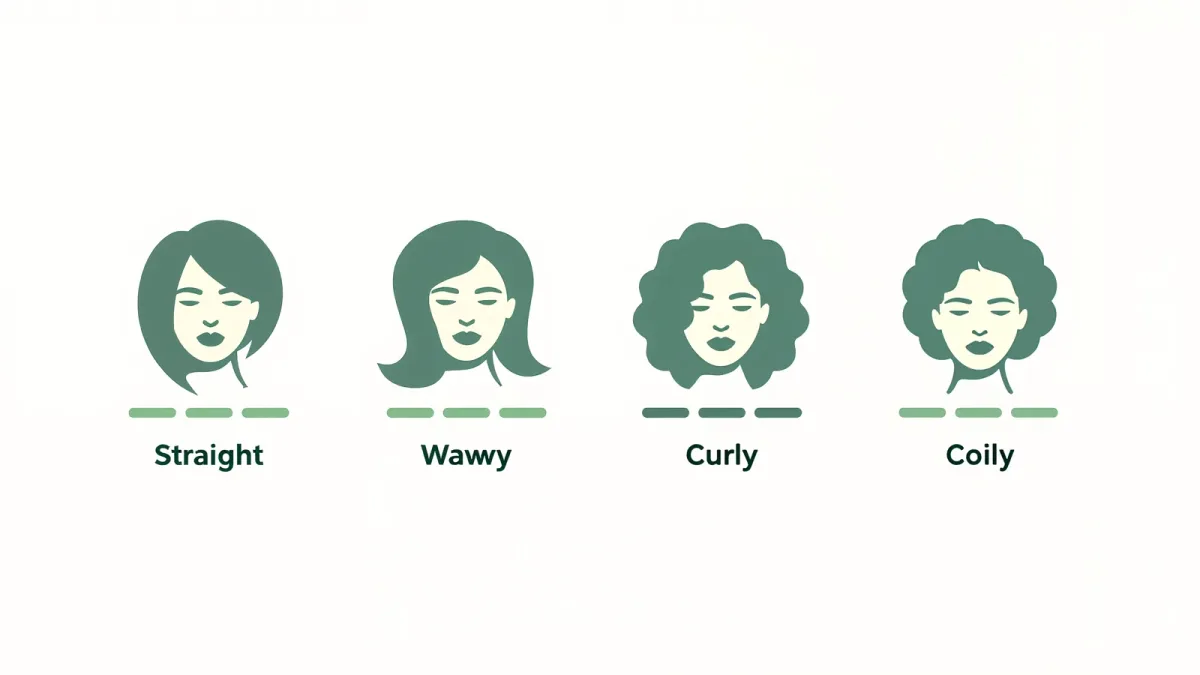
No, and the tutorials overpromise. Straight, fine hair holds an overnight set loosely and briefly; thick or coarse hair needs longer set times and smaller sections; textured and curly hair often uses heatless methods less for new curls than for redefinition and stretching. Rod size decides everything — bigger rod, looser wave — and damp-but-not-wet hair is the universal precondition. Manage expectations: the TikTok reveal had perfect sectioning, professional lighting, and usually a second take.
How do you make heatless curls last?
Set hair properly damp, not dripping; use a light mousse or setting product before wrapping; and let the set cool and dry completely before unwrapping — patience is the entire technology. After release, do not brush; separate curls with fingers or a wide-tooth comb, and mist with hairspray if the day demands it. Sleeping on a silk pillowcase or refreshing second-day waves with a braid keeps the set alive. The method rewards the exact virtue its audience already had: willingness to wait.
Is the hot-tools industry really losing?
It is adapting, the way it always does. Brands that sold barrels now sell rods, and 'heat protectant' marketing has pivoted from enabling daily heat to legitimizing occasional heat — the frame flipped from necessity to indulgence. The deeper shift is behavioral: when a free method produces a good-enough result, the paid tool must justify itself weekly, and most cannot. The curling iron is not dead. It is on the waitlist of life.