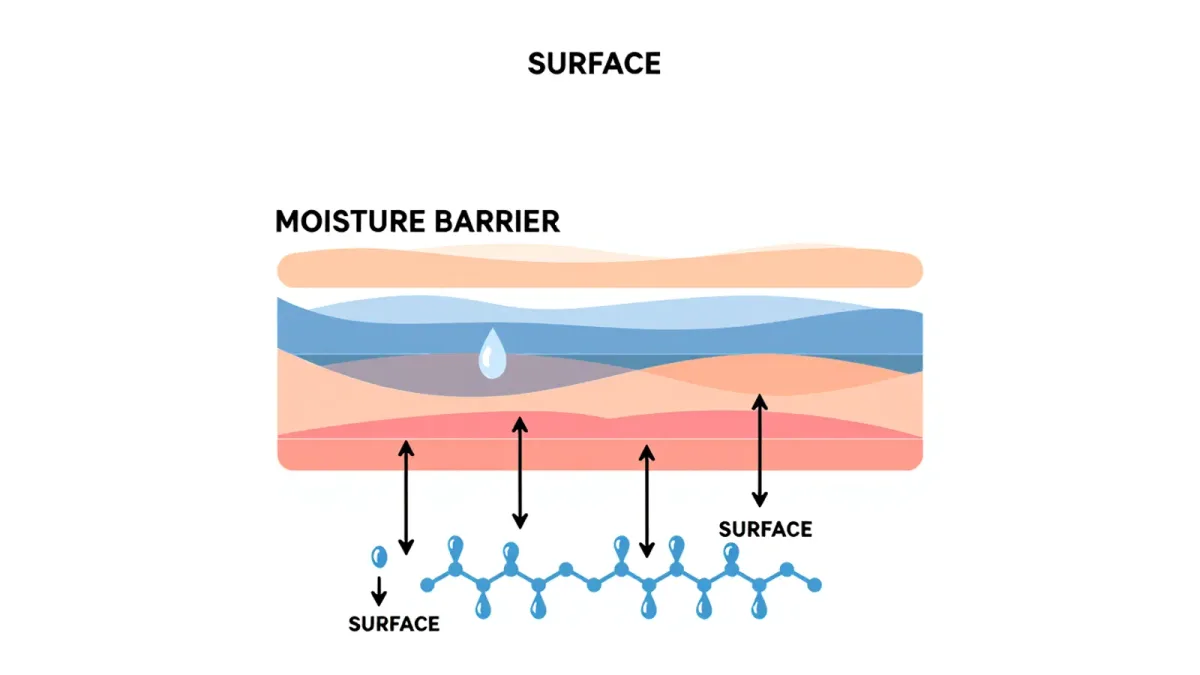
Skin changes with the seasons because it is responding to its physical environment: winter's cold, dry air raises water loss through the skin while summer's heat and humidity push oil production up, and both shift how your products behave. Dermatology sources like the Mayo Clinic list cold weather and low humidity among the leading causes of dry skin, and published studies on seasonal variation have measured higher sebum output and more hydrated-looking skin in warm, humid months. The same serum that disappears into a July face can sit unabsorbed on a February one. Neither version is your 'real' skin — both are.
Understanding the mechanism is the difference between a shelf full of orphaned products and a two-switch routine that carries you through the year.
What does winter actually do to skin?
Two things at once. Cold outdoor air holds almost no moisture, so it pulls water from the skin's surface, raising transepidermal water loss — the evaporation metric dermatology measures in grams per square meter per hour. Then indoor heating compounds it: a heated room in January can be drier than the outdoors. Wind strips the lipid layer that holds surface cells together, which is why winter skin flakes, tightens, and stings when you apply your normally-friendly actives.
The telltale sign is not dryness itself but reactivity: your retinol suddenly itches, your acid tone changes. The barrier is simply busier.
What does summer change instead?
Volume and speed. Warmth and humidity raise sebum output — published studies on seasonal sebum variation have repeatedly measured higher oil levels in summer, along with better-hydrated surface readings. Pores look larger because there is more oil moving through them. Sweat adds water but also salt and friction. And UV exposure peaks, which is why pigment issues — dark spots, uneven tone — announce themselves in late summer after quietly accumulating all season.
The summer mistake mirrors the winter one, inverted: reaching for harsh stripping cleansers at the first shine, which provokes more oil compensation and irritation rather than less.
Do you need separate routines for each season?
Separate products, no. Adjusted doses and textures, yes. The skeleton — cleanse, hydrate, treat, moisturize, SPF — stays fixed all year. What switches is the dials:
- Winter: creamier cleanser, richer moisturizer, fewer nightly acids, humidifier on. Keep SPF — UVA passes through clouds and windows year-round.
- Summer: gel textures, lighter moisturizer, obsessive SPF reapplication, actives moved to low-UV hours if they sting in heat.
- Transitions: the two-week windows in spring and fall when you swap textures — the seasons most routines forget exist.
Think of it as one routine with a seasonal firmware update, not two routines living in different closets.
Why does my skin freak out during the changeover weeks?
Because the environment shifts faster than the skin's adaptation. The outer barrier takes weeks to adjust lipid production, so the weeks when heating clicks on in October — or humidity spikes in May — are peak confusion: oil and flakes coexisting, products pilling, the same face 'combination' by noon. Transition slowly: swap the moisturizer texture first, then dial actives, then cleanser. Everything at once is how a changeover becomes a breakout.
Does this explain the seasonal shelfie?
Culturally, yes — beauty's autumn 'shelfie restock' and summer minimalism are folk responses to a real mechanism. The industry noticed: brands have shipped seasonal 'winter edit' and 'summer essentials' bundles for years, and the September beauty drop now functions as much for skincare as for fragrance. The instinct is correct even when the shopping cart is not. You rarely need new chemistry with the weather — just a different viscosity of the old one.
Quick answers
Should I stop retinoids in winter? Usually no — adjust instead. Buffer the retinoid under moisturizer, drop to every other night, and let a richer cream handle the extra water loss. Stopping and restarting each winter costs you the adaptation you already paid for. If irritation persists past two weeks of buffering, that is a dermatologist conversation.
Is humidifier use actually worth it? For winter skin, plausibly yes — it attacks the mechanism itself by raising the room's moisture instead of your product count. Keeping bedroom humidity in a comfortable mid-range during heating season is low-effort, one-time-cost help for the driest eight hours of your day. Clean the tank; a dirty humidifier helps no one.
Does skin 'detox' when seasons change? No. 'Purging' or 'detoxing' from weather is a framing, not a mechanism — what is happening is adaptation lag, visible as temporary oiliness or flaking while the barrier recalibrates. Support it with moisture and patience, not with clay masks and elimination. The weather is the trigger; the routine is the answer.