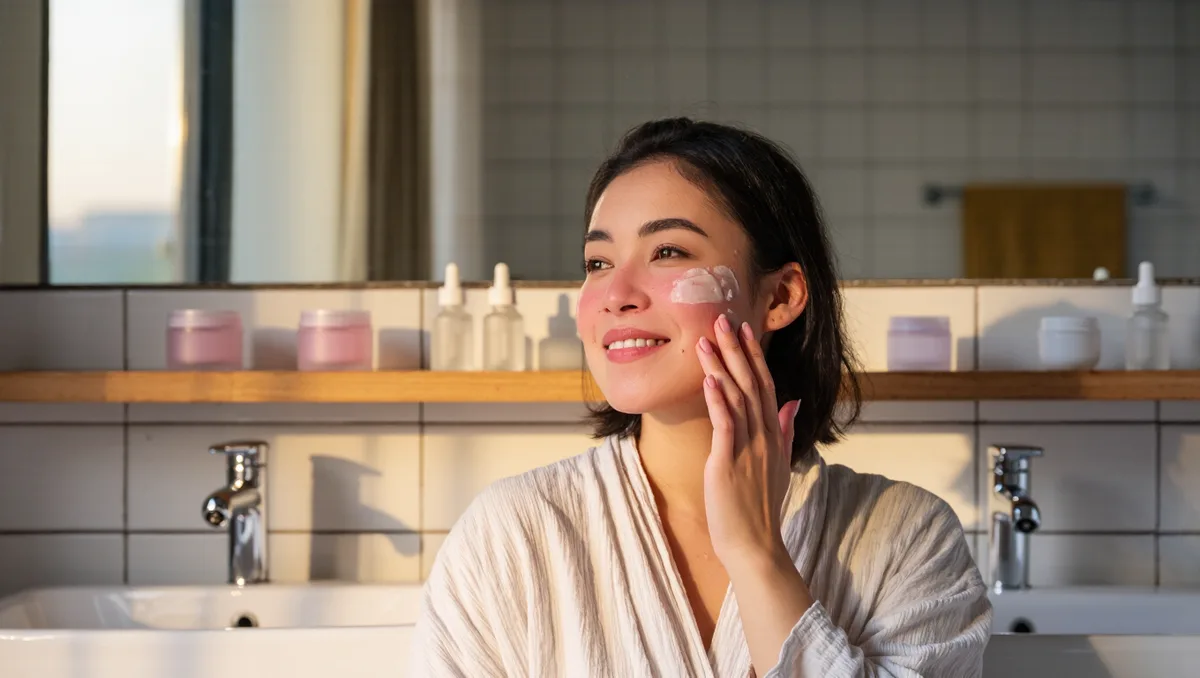
Children's skincare has become a social media spectacle, with long routines marketed to young children. The reality is refreshingly simple. Young skin is already good at its job, and the parental task is to protect that job, not to upgrade it.
This guide covers the basics for healthy children without medical concerns. It is educational only. Rashes, persistent dryness, or anything that worries you belong with your pediatrician.
What Young Skin Already Does
It helps to remember what you are protecting. The skin is the largest organ of the human body, and it shields us from germs, irritants, and ultraviolet light (Wikipedia). It also holds body temperature steady and slows water loss. Healthy child's skin does all of that beautifully on its own.
That capability is exactly why the experts' advice for kids is so minimal. A child's barrier rarely needs actives, exfoliants, or anti-aging anything. What it needs is a parent who keeps the routine boring, consistent, and safe. We covered a connected angle in Winter skin in July: why timing advice confuses you.
The Three Steps That Matter
A sound routine for most children fits on a sticky note. Cleanse gently when needed, moisturize if skin feels dry, and protect from the sun every morning that outdoor time is planned. Nothing else earns its place, and the whole thing takes two minutes. Readers following this should also see Skin flooding: what it actually means for your routine.
- Gentle cleanse: lukewarm water and a mild, fragrance-free cleanser for dirty or sweaty moments; plain water is fine the rest of the time.
- Simple moisturizer: one basic lotion or cream for dry patches, especially after washing and in winter.
- Daily sun protection: broad-spectrum sunscreen on exposed skin, since coverage across both UVA and UVB rays is the standard recommendation for guarding against ultraviolet damage (Wikipedia).
Two minutes at the sink is enough. Kids do not need toners, mists, or special washes for morning and night. Water, a soft cloth, and a little patience do more than any bottle with a cartoon on it. Keep the whole thing light, and let skin do the rest. Simple is the feature here, not the flaw.
What to Skip for Now
Trendy actives deserve a hard pass in childhood. Strong exfoliating acids, retinoids, and concentrated treatments are designed for adult skin concerns and can strip or sting a child's barrier. Fragranced "fun" products, glitter masks, and influencer bundles add cost and irritation risk without adding care.
Labels add to the confusion. Words like mild and gentle appear on packaging with no agreed meaning. A soft name tells you little about the formula inside. Check the ingredient list instead, and prefer short, fragrance-free lists from brands that publish them clearly.
Building Habits, Not Collections
The real gift you can give a child is a habit, not a shelf. Washing hands and face, dabbing on moisturizer in dry months, and letting a parent apply sunscreen become automatic when they start early and stay unremarkable. Routines built on ease survive; routines built on excitement get abandoned by February.
Age matters in one more way. A routine that suits a young child is not the same one a teenager needs. Teenage skin brings its own changes. When that shift comes, keep the same logic: gentle first, and one change at a time.
Modeling helps more than reminding. Kids who watch adults apply sunscreen each morning tend to copy the habit on their own. No lectures needed. Keep the products reachable, the steps short, and the tone matter-of-fact.
Conclusion
Skincare for kids is a study in restraint: a gentle cleanser, one moisturizer, and broad-spectrum sun protection, repeated calmly for years. Skip the actives, ignore the trends, and put your energy into habits and consistency. If any skin issue persists or worries you, your pediatrician or a dermatologist should make the call, not a video feed. Educational content only.