The 90s lip — a brown-toned liner drawn slightly over the natural edge, filled with a pale nude, gloss optional — never actually completed a comeback, because it never fully left. The look was standardized in the supermodel decade, codified into products that never stopped selling, revived around 2014 when over-lined lips became the decade's biggest makeup story, again on TikTok in the early 2020s as the "90s brown lip," and by 2026 the dark liner had simply stopped being a reference point at all: it is now just how a substantial share of people do lips. Some trends return. This one re-upholstered the room. Here is the lineage — who built it, what it became, and why every revival keeps finding it already there.
What is the 90s lip, technically?
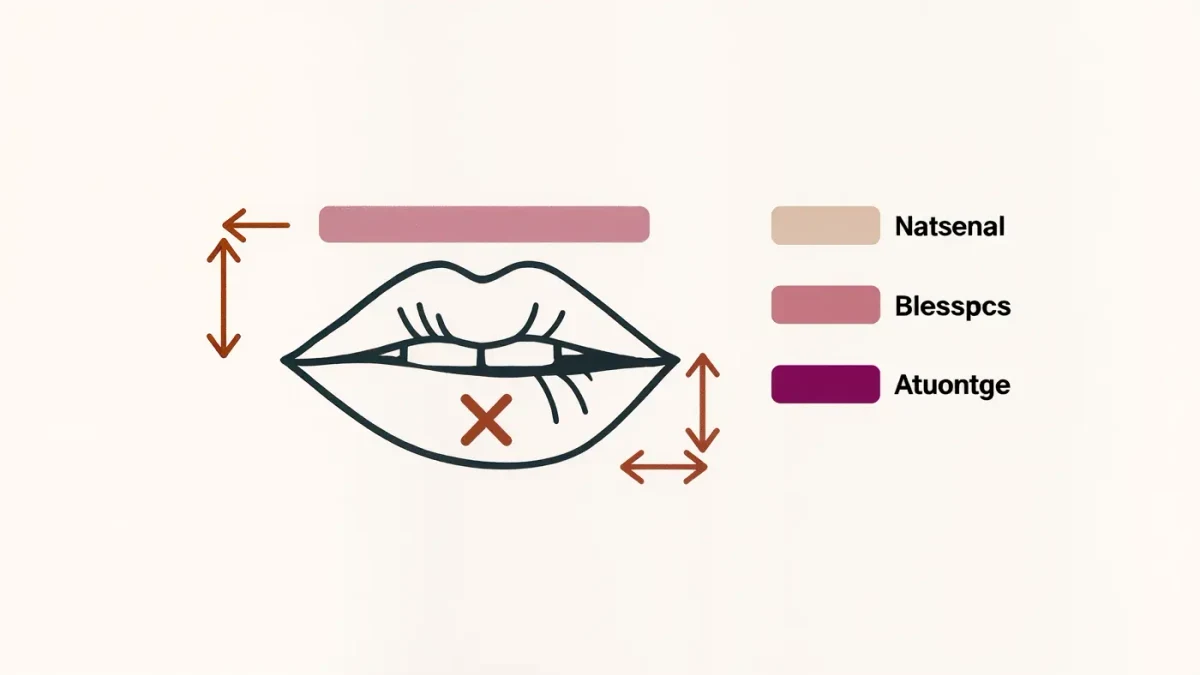
The formula is a two-tone trick: a liner one to three shades deeper than the lipstick, drawn at and slightly beyond the natural lip line, with a nude, beige or pale brown fill in the center, often blotted so the edges stay defined while the middle fades. The result is a lip that reads larger and more sculpted than the natural one, with soft focus where liner meets lipstick — the exact effect fillers and digital filters were later asked to replicate.
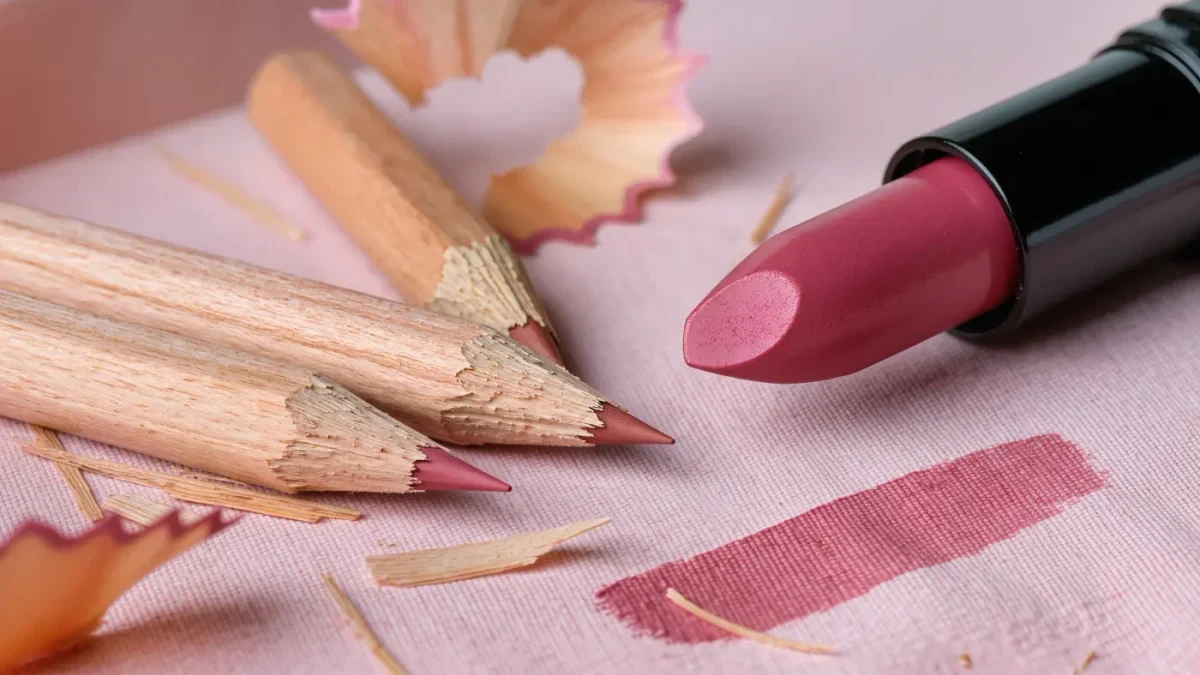
The canonical shades have barely changed in thirty years: brown, brick, mauve and spice-toned pencils, paired with beige-nude creams and, in the gloss era, a shimmer on top. MAC's Spice lip pencil became the decade's default reference — a shade still in production and still cited in every revival — and its survival is half the reason the technique survived: the tools never left the shelves.
Where did the 90s lip come from?
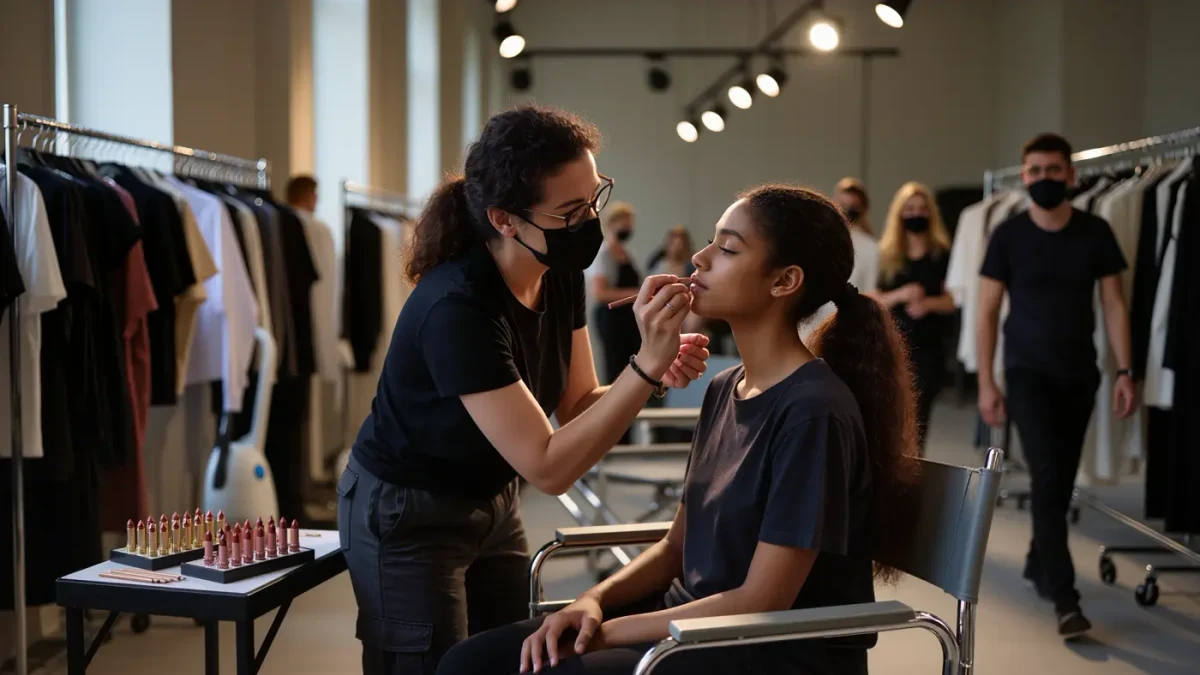
The look was built on the runways and in the makeup rooms of the early-to-mid 1990s, and its face was the supermodel era — the brown-lined nude lip became the signature of the decade's beauty imagery, worn by the top models of the day and mass-produced through drugstore kits within a season or two. Its logic fit the time: against minimal slip dresses and undone hair, makeup's one statement was a sculpted mouth with everything else stripped back.
The technique also had a lineage of its own — dark-edged lips trace back through the subtle-smoky lip of earlier decades — but the 90s version standardized the two-tone contrast and the deliberate over-line. By decade's end it was not a look; it was the default, which is why the first revival never had to teach anyone the method. The muscle memory was already distributed.
Why does it keep coming back?
Because the technique solves a permanent problem. A deeper liner creates the illusion of volume and definition without surgery or a filter — which is why each era's answer to "bigger-looking lips" keeps landing on the same pencil. The 2014-to-2016 revival made this explicit: the over-lined lip, the era's biggest lip trend, was functionally the 90s technique with the volume turned up, driven by a new celebrity template and a generation discovering the trick through YouTube tutorials.
The 2020s revival ran the same code on a new platform. The "90s brown lip" became a TikTok staple in the early 2020s — search the tag and the method is unchanged from the decade it is named for — and broader 90s nostalgia cycles, from low-rise jeans back to the decade's whole aesthetic, kept pulling the look back into frames. Each wave found the products in stock, the tutorials waiting and the muscle memory intact.
Is the modern version actually different?
Yes, in finish and intent. The 1990s original was matte-edged and deliberately severe up close; the 2014 version was gloss-heavy and maximal, the over-line announced as a technique; the 2020s version is the softest yet — blurred edges, the liner and lipstick blended into one tone, often finished with a balm. The geometry stayed; the texture kept updating.
Shade politics updated too. The original nude default was built around a narrow range of skin tones, a bias well documented in beauty's history; the modern brown-lip revival is explicitly celebrated across skin tones, with deeper-toned creators fronting the trend rather than being told the shade is not for them. The technique's third act is its most democratic — same pencil, wider casting.
How to do the 90s lip without the costume effect
Match the liner to your own lip's shadow, not to a prescribed brown — the tone just outside your natural lip line is the correct depth for you. Draw at the edge, only a hair beyond it, then blur the line inward with a fingertip or brush before filling the center with a lipstick one or two shades lighter. Blot once. The blur is what separates the modern read from the outline-heavy 1993 original.
If you want the decade's drama without its dryness, keep the center glossy and the edges matte — the contrast does the sculpting. And resist matching liner to lipstick exactly: the two-tone distance is the entire mechanism. Where the two shades meet, soften; where they end, commit.
FAQ
What lip liner shades are the 90s ones?
Brown, brick, mauve and spice — MAC's Spice lip pencil being the canonical reference still in production. Choose by depth relative to your own lips: the liner should echo your lip's natural shadow rather than a fixed universal brown.
Was the over-lined lip invented in the 90s?
No — dark-edged lips existed long before, and the deliberate over-line had precedents in stage makeup. The 90s standardized the two-tone brown-lined nude as a mass look; 2014's over-lined revival amplified the same technique; the 2020s blurred it back toward natural.
Why do people say the trend never left?
Because the technique became infrastructure. The products stayed in production, the method kept circulating through each era's tutorials, and elements of it — the sculpted edge, the nude fill — folded into default lip makeup. Revivals rebranded it; the pencil never left the kit.