Dopamine dressing — choosing clothes deliberately because they lift your mood — got its name from Dawnn Karen, a fashion psychologist often called a founder of the field, who developed the concept in the late 2010s and watched it go mainstream during the pandemic, when getting dressed became one of the few remaining daily decisions. Karen's idea was simple enough to survive a hashtag: clothes can be a tool for managing how you feel, not just a signal of who you are. By 2022 the phrase was everywhere, attached to bright suits and novelty knits. The thinking underneath it is older, and more interesting, than the caption.
What is dopamine dressing, actually?
In Karen's framing, it is the practice of consciously dressing to optimize your mood — wearing the color, texture or reference that gives you a genuine lift rather than the one that flatters a trend cycle. Her book, Dress Your Best Life, published in 2020, laid out the method: identify the pieces that reliably shift your state, and deploy them on purpose.
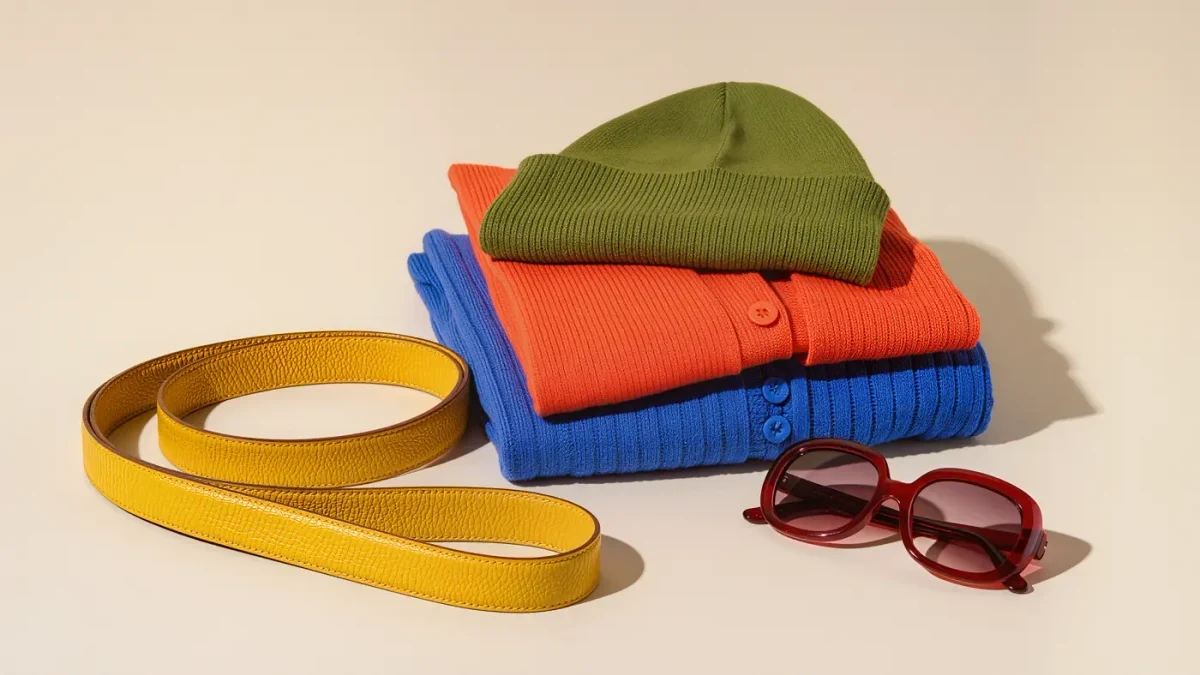
Importantly, the dopamine is a metaphor as much as a neurochemistry claim. Nobody is promising a measurable hormone spike from a yellow coat. The point is the deliberate loop: notice what clothes do to your mood, then choose accordingly. Some days that is head-to-toe scarlet. Some days it is the softest thing you own.
Who coined the term?
Dawnn Karen — a fashion psychologist and consultant, dubbed the Dress Doctor in some press profiles — is widely credited with coining and popularizing "dopamine dressing." She began developing her approach to mood-boosting dress before the pandemic and brought it to a mass audience in 2020, both through her book and through commentary as lockdowns made the psychology of getting dressed newly urgent.
The timing did the rest. With nowhere to go, people dressed for themselves; when reopening started in 2021, the pent-up appetite for joy showed up in color. By spring 2022, runways and street style were saturated in the bright, clashing, unapologetic palette that got labeled dopamine dressing, and the term stuck to nearly any outfit that looked happy.
Is there real science behind it?
There is real research on clothes and cognition, even if the name came after. The most cited is the enclothed cognition work by psychologists Hajo Adam and Adam Galinsky, published in the Journal of Experimental Social Psychology in 2012, which found that what people wear can shape how they think and perform — their lab studies linked wearing a lab coat described as a doctor's coat with heightened attention. The broader principle, sometimes called the arousal link in mood research, holds that brighter, more stimulating colors tend to raise alertness and positive feeling.
So the honest version of dopamine dressing is this: the mechanism is real but modest, the branding came later, and the practitioner who named it was translating established psychology into a wardrobe strategy — not inventing neuroscience. Dressing for your own mood has simply been given a name it can trend under.
Why did it explode during the pandemic?
Because the usual reasons to get dressed had evaporated. When offices, events and commutes disappeared, the only audience left was yourself — and Karen's core question, what actually makes you feel better when you wear it, became the only relevant one. Color psychology has been dragged into marketing for decades, but the pandemic gave the idea a laboratory of one: your apartment, your closet, your mood.
The 2022 peak made the phrase ubiquitous enough to parody, which is the standard life cycle of a mood-based label. Bright clothes did not stop making people happy; the term simply stopped being novel. By 2023 the aesthetic had folded into the wider bright-color wave, and the practice continued without needing the hashtag. The idea, like the outfits, outlived its label — a pattern familiar from the way trend coverage keeps recycling decade after decade.
How do you actually dress for dopamine?
Start with evidence, not aspirational Pinterest boards. Think back to the outfit you reached for on the worst week of last year — the one that reliably made you feel like yourself. That piece is your data. Build outward from it: the color, the weight of the fabric, the level of polish, the nostalgia factor.
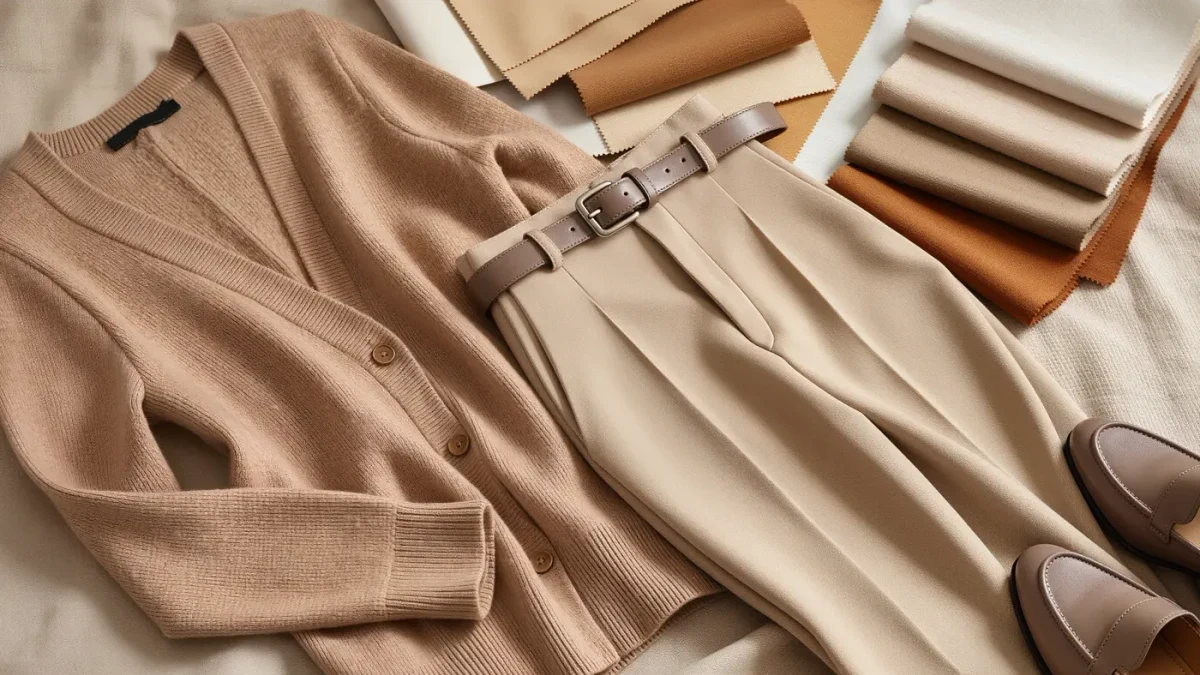
Then use it strategically. Karen's approach distinguishes dressing for the mood you want from dressing for the mood you have, and the difference is the whole skill. If you need energy for a hard morning, wear the loud thing. If you need calm, the dopamine move is counterintuitively soft: texture, neutrals, comfort. The trend flattened this into "wear bright colors." The practice was always more precise.
Did dopamine dressing change fashion, or just its captions?
Both, unevenly. The lasting shift is visible in retail: saturated color, playful accessories and mood-forward merchandising became a permanent lane after 2022, and brands routinely market the feeling rather than the garment. The phrase itself has settled into the vocabulary of getting dressed, alongside older borrowed terms like power suit.
What the concept genuinely changed is permission. Dopamine dressing made it legitimate to say an outfit exists to make you happy — a small rhetorical victory with real wardrobe consequences. Whether the science supports the strongest claims or not, the practice of choosing joy on purpose turns out to be durable. It was around before the name. It will be around after.
FAQ
Does dopamine dressing require bright colors?
No. Bright color is the cliché version; the actual method is wearing whatever reliably improves your mood. For some people that is neon, for others it is black tailoring or a worn-in sweatshirt. The color is a means, not the definition.
Is dopamine dressing scientifically proven?
The underlying psychology — enclothed cognition and the mood effects of color — has documented support, including Adam and Galinsky's 2012 study. But no research shows clothes directly trigger a dopamine release in the way the term implies. Treat the name as branding over a real, modest effect.
Who is Dawnn Karen?
A fashion psychologist and consultant, widely credited with coining dopamine dressing. She developed the concept in the late 2010s, popularized it during the pandemic and published her book Dress Your Best Life in 2020.