Boho's latest return has a specific date: February 29, 2024, when Chemena Kamali opened her debut collection for Chloé in Paris with a full-throated bohemian revival — floaty ruffled blouses, sheer layers, loose hair, the whole soft-romantic vocabulary — and the front row reacted like a decade of skinny-jean minimalism had just been forgiven. It was the fourth or fifth great boho revival, depending on how you count, and each one re-entered through the same door: Chloé. The house that bohemian Parisian dressing built has restarted the cycle before, and may again. Which raises the useful question: why does boho die on schedule and resurrect on schedule, and what does the pattern say about how trends actually work?
What is boho, exactly?
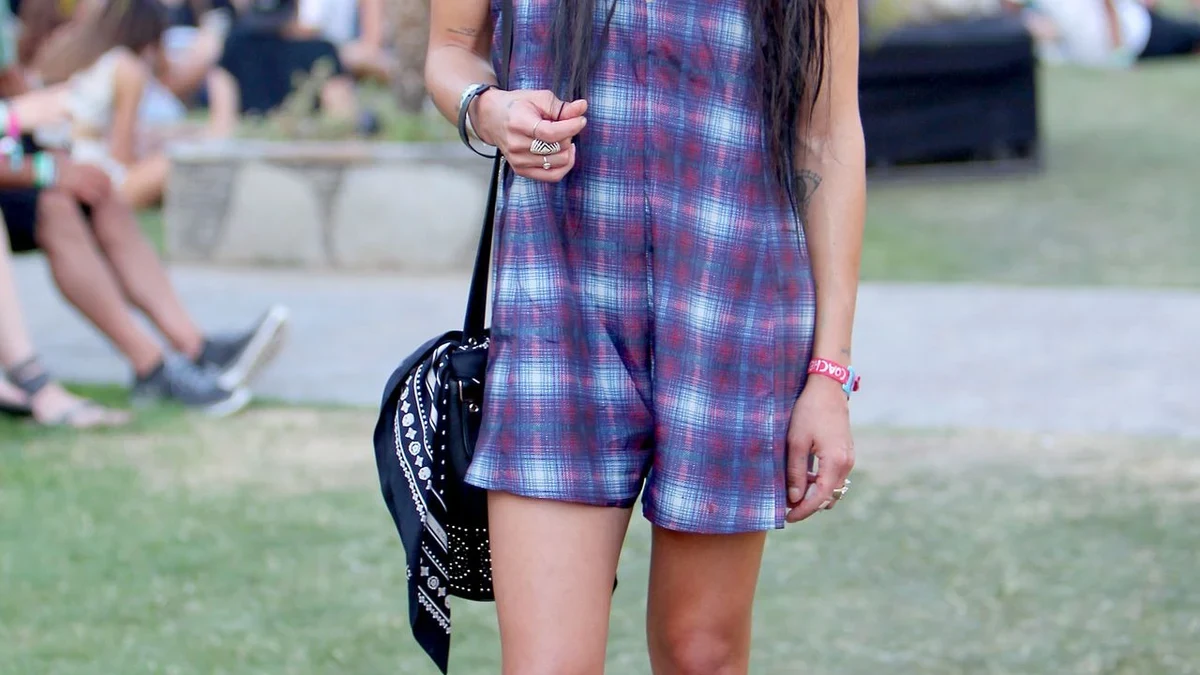
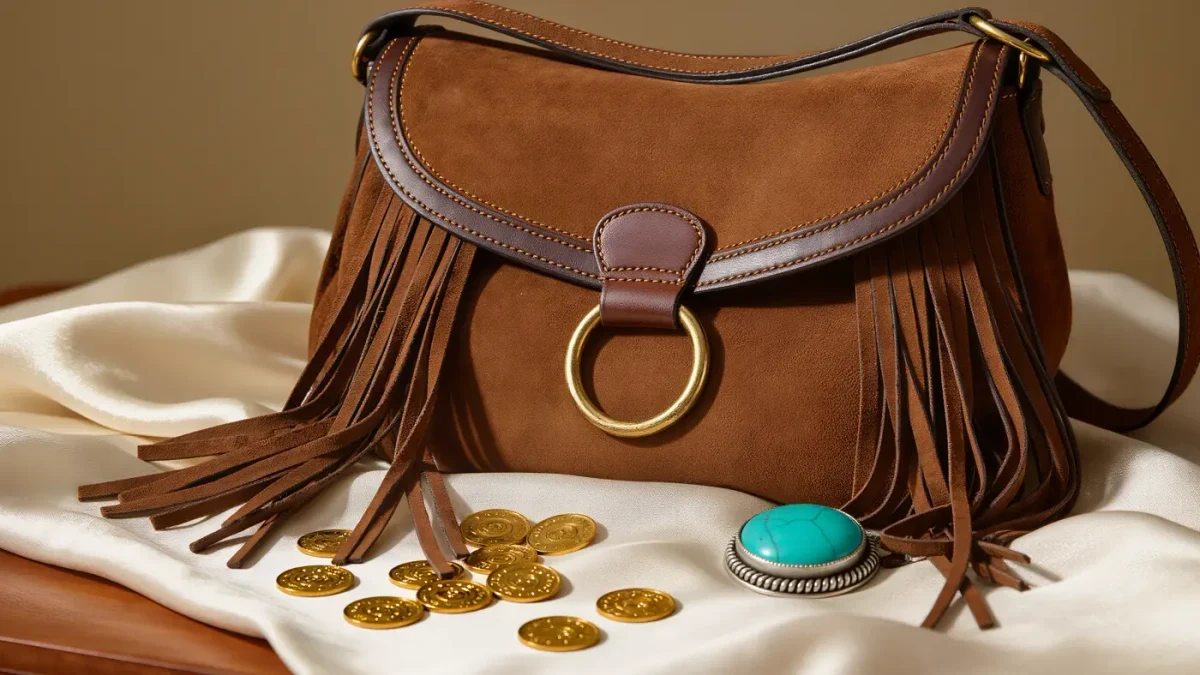
Boho — from bohemian, in the sense of unhoused from convention — is the unstructured counter-silhouette: flowing fabrics, ruffles and lace, suede and fringe, embroidery, layered jewelry, hair worn loose or half-undone. Its palette is sun-faded rather than saturated — cream, cognac, dusty rose — and its attitude is the point as much as the clothes: effortful effortlessness, a look assembled to seem gathered rather than purchased.
It has run through fashion under many names — hippie chic, peasant dressing, festival style, boho-chic — but the recipe barely changes. Boho is what fashion reaches for whenever structure, polish and irony have held the floor long enough that softness starts to read as rebellion instead of surrender.
When did boho come back this time?
The current wave is precisely datable. Kamali — appointed creative director of Chloé in October 2023, per Reuters — showed her first collection at Paris Fashion Week on February 29, 2024, and press coverage of the show said the quiet part at full volume: boho was back, courtesy of a designer whose stated mission was restoring the house's free-spirited feminine code. Jerry Hall walked the runway. The materials were suede, chiffon and lace. Within two seasons, ruffles and fringing had filtered from runway to high street for the first time since the late 2010s.
Kamali's version updated the recipe rather than photocopying it — the proportions are lower-slung and more sensual, the lace is sheerer, the mood is disco-adjacent rather than festival-muddy — but the signal was unmistakable to anyone who lived through the last cycle. Boho's return was not whispered. It was the entire press release.
A brief history of the boho cycle
The modern boho template was set in the mid-2000s, when Sienna Miller and Kate Moss wore ugg boots with waistcoats and the tabloids coined "boho-chic" — a look descended from 1970s hippie dressing and, before that, from the romantic peasant revivals that recur every few decades like a comet. The 2005-to-2008 peak was enormous: headbands, fringe bags, leggings under dresses, the full festival-industrial complex.
Then the usual death — by 2010, minimalism had returned and boho became the cautionary decade's costume. Smaller revivals flickered through the 2010s, each written up as ironic nostalgia. And then 2024: the genuine comeback, launched from the brand with the most authentic claim to the aesthetic. The pattern is textbook — a look dies when everyone has worn it, sleeps for roughly a decade, and returns the moment its first adopters have nostalgia and its second adopters have no memory.
Why does boho keep coming back?
Because it is less a style than a correction. Boho surfaces at the precise moment fashion has over-indexed on control — the 2000s after logo maximalism, the 2020s after quiet luxury and clean-girl sleekness — and offers the opposite values: softness, movement, a bit of mess. It is the pendulum made of chiffon. No algorithm required; the cycle predates feeds by a century.
It also helps that boho flatters commerce. The look is built from categories — bags, belts, jewelry, layers — that layer onto existing wardrobes rather than replacing them, which makes its revivals unusually easy to sell. A boho revival does not ask you to purge your closet; it asks you to add fringe. Every retailer in the world can get behind that math.
How is the 2024s boho different from 2006?
The references moved. The mid-2000s version looked at festival fields and It-girls; Kamali's Chloé looks at the house's own 1970s archives — the era when bohemian dressing was Parisian rather than Glastonbury — and edits them with current proportions. Where 2006 boho was bohemian-by-way-of-People-magazine, the new version is bohemian-by-way-of-fashion-history: sheerer, sharper, more deliberate about its own romanticism.
The context changed too. The original boho-chic rode the early days of fast fashion; this revival arrived during the resale and investment-dressing era, which is why it skews toward suede that lasts and jewelry that stacks rather than disposable headbands. Whether that makes it more sustainable is a fair question — but the revival's accessory-first economics at least age better than its predecessor's.
Can you wear boho without looking like 2006?
Easily, if you pick one decade per outfit. The 2006 tells are specific: the headband, the leggings-under-dress, the slouchy boots over skinny denim. Skip those and the rest of the vocabulary — a fringed suede bag with tailoring, a ruffled blouse under a modern blazer, loose waves with a slip skirt — reads current, because it currently is.
The new boho's styling rule is contrast: soft pieces work against structure. Fringe with a leather jacket, lace with denim, a floaty skirt grounded by a boot with weight. Boho worn head-to-toe becomes costume from whichever revival it came; boho worn as a single soft note against something sharp is just how the look was designed to work in the first place.
FAQ
Who started the latest boho revival?
Chemena Kamali's debut collection for Chloé at Paris Fashion Week on February 29, 2024, is the documented launch point. Her appointment was announced in October 2023, and the show's bohemian focus was covered as a deliberate, headline revival rather than a gradual drift.
Is boho the same as cottagecore?
No, though they overlap in softness. Cottagecore is a rural-nostalgia aesthetic built around pastoral imagery; boho is a specific fashion silhouette — suede, ruffles, fringe, layering — with a century-long runway history. One is a mood, the other is a wardrobe with a documented cycle.
When was the original boho-chic moment?
The modern iteration peaked from roughly 2005 to 2008, driven by Sienna Miller and Kate Moss and descended from 1970s hippie dressing. Before that, romantic and peasant revivals recurred through the 20th century — the cycle long predates the name.