Blush draping is a placement technique — blush, not bronzer, sculpted from the apples of the cheeks up toward the temples and around the eyes — and it was not invented on TikTok. Makeup artist Way Bandy developed draping, which he also called "colour glow," in the 1970s and 1980s, decades before the word "contouring" had a mainstream meaning. His idea: color, placed with intention, does the shaping. In 2023 the technique went viral again under the name "blush draping," and it has cycled back through feeds repeatedly since, most recently folded into the 80s-revival makeup wave. The cheekbone you are staring at is older than you think.
What is blush draping, exactly?
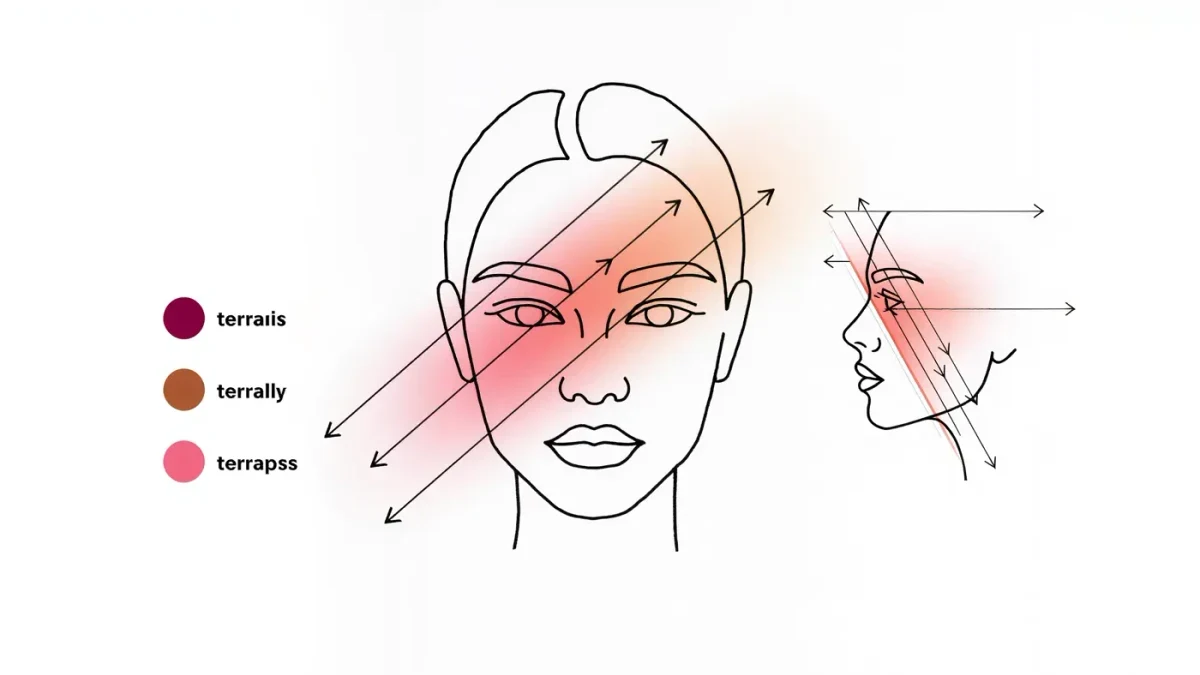
Draping means using blush as the primary sculpting tool. Instead of drawing shadows with bronzer and adding blush as an afterthought, you pick one color family — berry, terracotta, rose, coral — and lay it along the cheekbone, sweeping it upward toward the outer eye so cheek and eye socket read as one continuous wash of color.
The effect is deliberately soft. Where contouring carves, draping glows. Bandy's own term for it was "colour glow," and the language matters: the goal was never a stripe but a diffuse bloom, blended high enough that it catches light along the top of the cheekbone. trends coverage.
Who invented draping?
The technique is credited to Way Bandy, the American makeup artist who worked throughout the 1970s and early 1980s and died in 1986. Bandy was a formative figure in modern makeup artistry — he is also credited with early versions of the contouring and highlighting logic that later became standard kit knowledge — and he wrote down his method in books on face design, including his color-therapy-inspired approach to choosing shades.
Draping became one of the signature looks of 1980s makeup, an era when blush was worn high and unapologetic. When the decade's beauty came back around, it came back with Bandy's map attached, whether the people following it knew his name or not.
Why does draping keep coming back?
Because it solves a current problem. Contour fatigue is real: after a decade of chiseled bronzer lines, makeup has swung toward skin that looks like skin, and draping delivers dimension with warmth instead of shadow. It flatters on camera, which never hurts a technique's chances.
There was already a preview of this revival: in 2017, draping resurfaced on spring runways and was written up in beauty press as "the new contouring." The 2023 TikTok version simply put the technique in millions of hands, and the 80s-revival cycles since have kept it in rotation. Trend cycles are a documented churn — recaps of 2024's beauty moments read like a roll call of decades past — and draping is one of the revivals with a real author behind it.
How do you drape blush?
Start with one color family so cheek and eye stay coherent. Smile, place blush on the fullest point of the cheek, then blend up and out along the cheekbone toward the temple, continuing the same shade lightly across the outer lid and up into the crease. The movement is one long diagonal, not two separate applications.
Two placement notes from the technique's logic: keep the diagonal high — the blush tracks the cheekbone, not the hollow of the cheek — and blend before you judge. Draping looks alarming at step one and correct at step three. A cream or liquid formula makes the cheek-to-eye transition clean-looking; powder works if you work in thin layers.
Is draping the same as the E-girl blush?
Not quite, but they are cousins. The 2019-era e-girl look placed blush deliberately high and across the nose — a graphic, painted-on statement. Draping is Bandy's softer ancestor: same elevated territory, but blended into a glow rather than drawn as a stripe.
The distinction explains why draping survived its own trend cycle better. A graphic blush placement dates instantly; a diffuse cheek-to-eye bloom just reads like a very good blush day. Techniques with range get recycled. Techniques with a gimmick get retired.
Does the shade matter as much as the placement?
Bandy would say the shade is the point — his approach framed color choice as something closer to color therapy, selecting tones for the mood and life they project. Modern draping tutorials are more pragmatic, but they inherit the rule that matters: stay in one family. A berry cheek with a coral lid is two looks. A berry cheek with a berry-tinged lid is draping.
Warm skin tones tend toward terracotta, brick and coral; cooler tones toward rose, mauve and berry. The technique is forgiving enough that the exact shade matters less than the blend — which is perhaps the most 1970s thing about it.
FAQ
Can you drape blush without putting it on your eyes?
Yes. The cheek-to-temple sweep alone is draping in spirit; the eye extension is the full Bandy version. If you are hesitant, keep blush high on the cheek and add a whisper of the same shade to the outer third of the lid. You can always build.
Is blush draping good for mature skin?
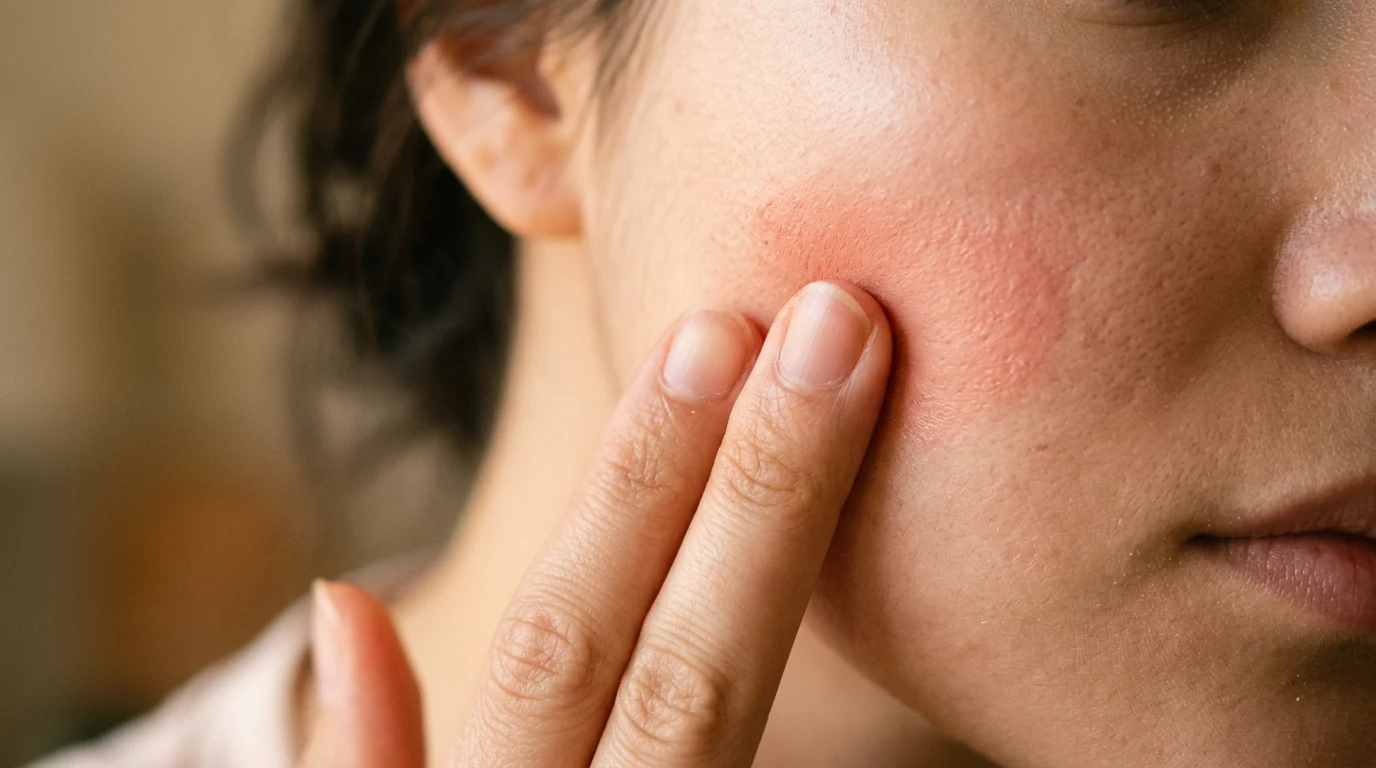
The high placement works in its favor: blush on the top of the cheekbone lifts the face visually, while blush placed low drags it down. Cream formulas sit more comfortably on textured or drier skin than heavy powder. As always, blend generously and start light.
Who was Way Bandy?
An American makeup artist, active from the early 1970s until his death in 1986, credited with developing draping and with early contouring and highlighting methods. He wrote books on face design and color-based makeup, and his techniques are regularly cited in beauty history retrospectives on the 1980s.