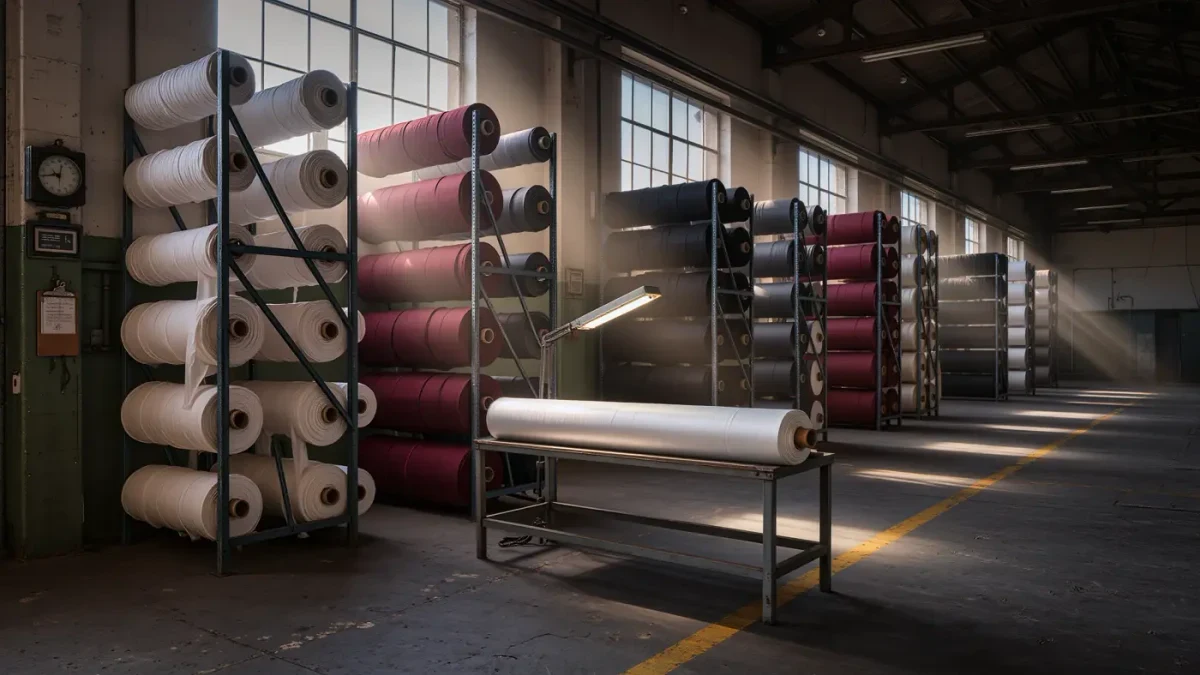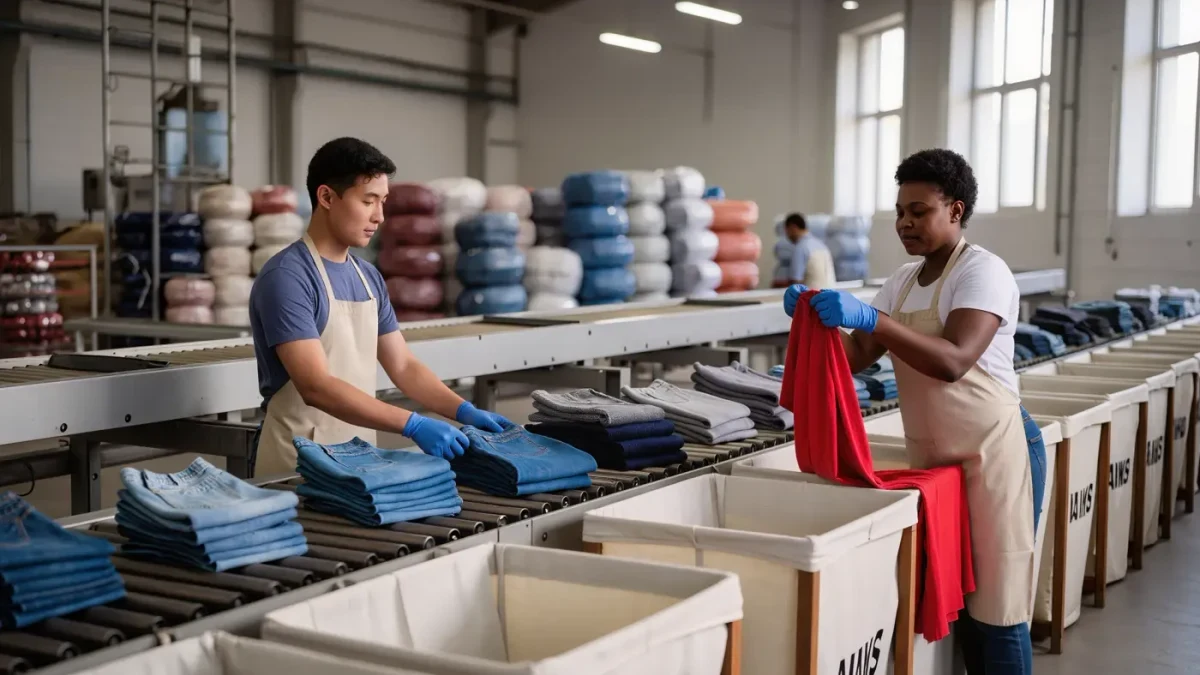
Fast fashion's cheapest habits are becoming illegal in Europe, one deadline at a time. Under the EU's Ecodesign for Sustainable Products Regulation — in force since July 2024 — large companies will be banned from destroying unsold apparel and footwear starting July 19, 2026, and since January 2025 every EU member state must collect textiles separately for re-use and recycling, per the European Parliament's overview of EU textile laws.
What exactly did the EU ban?
The headline measure is the destruction ban. The ESPR prohibits destroying unsold consumer products, with textiles, apparel and footwear named explicitly; the prohibition applies to large companies from July 19, 2026, with medium-sized companies getting roughly two additional years, per the European Commission's materials on the regulation. In practice, that ends the documented habit of burning or shredding deadstock rather than discounting it — a practice that has haunted luxury and fast fashion alike since investigators reported brand destructions in recent years.
Why ecodesign rules hit fast fashion hardest
Because volume is the business model. The ESPR lets regulators set product-level requirements — durability, repairability, recycled content — category by category, and the European Commission's Ecodesign Working Plan adopted on April 16, 2025 named textiles and apparel a priority product group for the first delegated acts, per the Commission's working plan. A model built on thousands of new low-cost styles a year is the most exposed to durability floors, recycled-content minimums, and a Digital Product Passport that traces each garment's materials.
The Digital Product Passport itself is the sleeper rule. Requirements for apparel will arrive through delegated acts expected around 2027, per the Commission's textile product pages — meaning the QR-coded story of who made your T-shirt and from what is on a legislative timetable, not a marketing one.
The waste problem no one solved until now
Separate collection is where the reality check bites. Since January 1, 2025, EU countries must collect textiles separately from household waste, per the European Parliament — the first systematic attempt to measure and redirect the millions of tonnes of clothing Europeans discard annually. Until now, most of it vanished into mixed waste or export. Now there is, at least, a countable stream — and a legal obligation to treat clothing as a material, not trash.
Will prices go up outside Europe too?
Almost certainly at the margin. Fast fashion's biggest players sell globally from shared supply chains, and compliance costs — durability testing, passports, unsold-stock handling — don't respect borders cleanly. The EU is the world's largest single consumer market for apparel, so rules written in Brussels tend to become defaults in factories from Guangzhou to Istanbul. American shoppers will likely feel this as quiet quality changes, not labeled ones.
What happens in July 2026?
The destruction ban takes effect for large companies on July 19, 2026, per the ESPR's timetable. After that date, the European option set for unsold inventory becomes: discount, donate, recycle, or redesign the buying plan that produced the surplus. Which is, presumably, the point.